
How a $6bn construction group found $2.9M
$2.9M in recoverable margin identified across a $175M fuel, equipment rental and MRO perimeter - in under three weeks.


A top-tier French construction group - several billion euros in annual supplier spend across commodities, transport, equipment rental, subcontracting and indirect categories - asked a narrow question about one of the densest corners of that portfolio: a $175M perimeter covering fuel, equipment rental and MRO. Was the negotiated price the price being paid?
The perimeter is hard to control by nature. Multiple supplier contracts, each with its own price grids, indexation formulas, threshold rules, surcharge schedules and penalty clauses. The group’s prior approach was the standard one: a periodic, manual analysis run internally - months of dedicated effort per pass, with systematic accuracy issues despite the time invested. Not a competence problem; a capacity problem.
- Perimeter reconciledFuel, equipment rental and MRO
- $175M
- Supplier overcharges identifiedEach finding documented to evidence grade
- $2.9M
- From kickoff to documented findingsSetup and contract ingestion took under a week
- Under 3 weeks
What Fakto did
Fakto ingested the full set of supply contracts - price grids, indexation formulas, delivery terms, threshold conditions, surcharge schedules - together with the corresponding invoice data from the group’s ERP environment. The documents were what they always are: PDF and Excel, in mixed formats that varied supplier by supplier. None of it required customer-side data transformation before ingestion.
From there, the reconciliation ran the way it always runs: every invoice line recomputed against the contractual reference in force on its date, every deviation carrying its root cause and its evidence.
What Fakto found
Across the perimeter, Fakto identified up to 2.5% in contractual deviations on certain supplier sub-perimeters - $2.9M in supplier overcharges in total, each finding documented to evidence grade and ready for supplier-side action. Annualized, the recoverable position represents hundreds of thousands of euros in this single category.
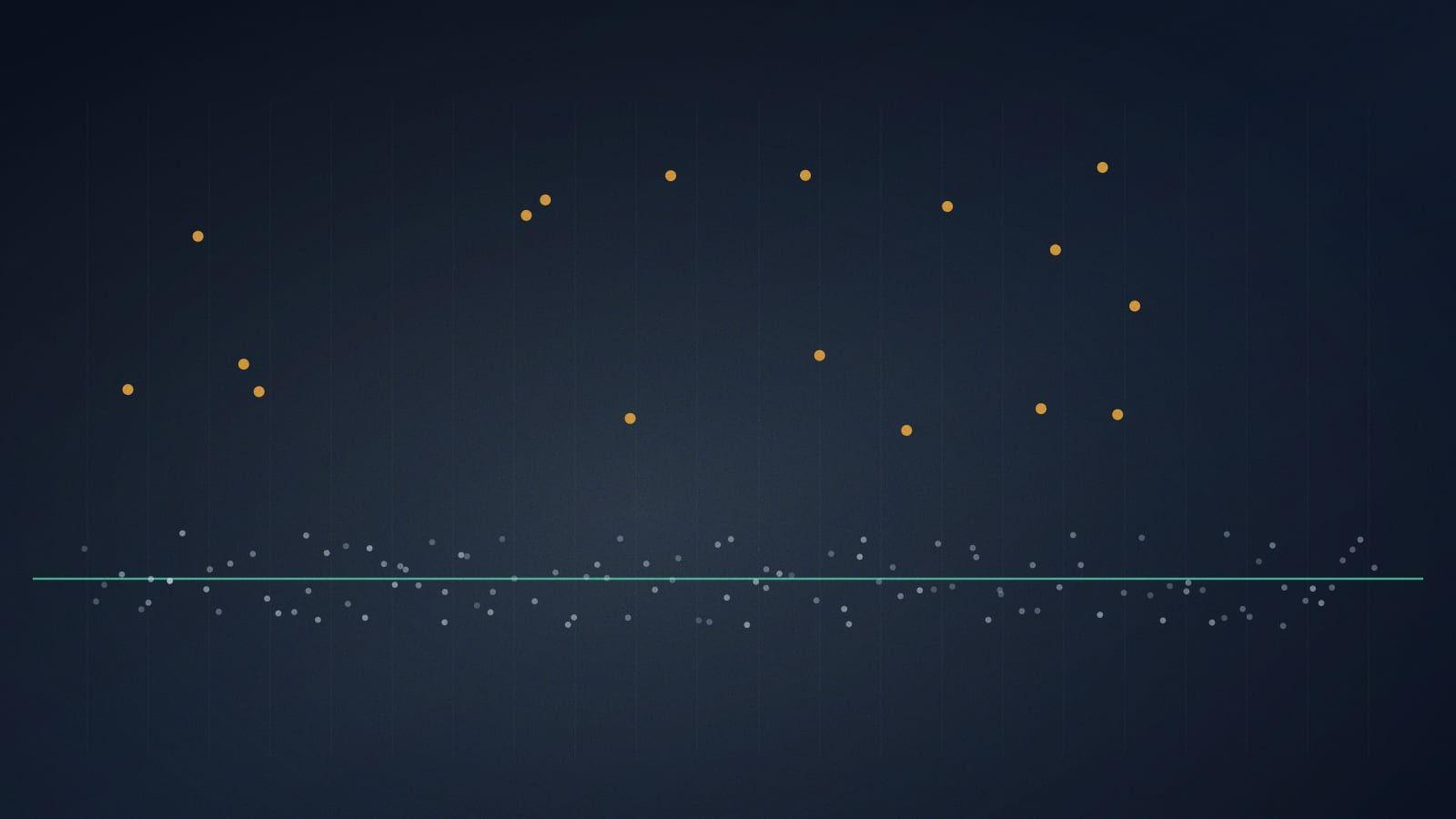
The more instructive number is the average. Perimeter-wide, deviations ran at roughly 0.7% - within the range the group expected for a state-supervised category. On the average alone, the perimeter looked healthy. The average was masking significant supplier-level variance: most suppliers billing close to contract, and a few running deviation rates several times higher. That distribution - a reassuring mean hiding a concentrated tail - is exactly what sampling-based controls miss by construction, because the tail is only visible when every line of every supplier is recomputed.
Time to value
Setup and contract ingestion took less than a week from data-access provisioning. The first validated finding landed within days of setup completing. The full analysis - findings documented and ready for supplier-side action - was delivered in under three weeks from engagement kickoff.
For calibration, against the alternatives the group knew: a classic recovery-audit engagement typically reaches first findings in three to six months; a consulting category diagnostic runs six to twelve weeks; the group’s own prior internal pass took months per cycle. The speed is not heroics - it is what ingesting unstructured documents directly, with no data-transformation project, and analysing continuously rather than in batches, makes normal.
With Fakto, a major French construction group transformed fuel procurement oversight from a periodic, manual audit cycle into a continuous, evidence-grade reconciliation layer running across every contract and every invoice.
That is the durable outcome. The $2.9M is the visible one, but the periodic audit cycle is gone: the perimeter now sits under a standing control - every contract, every invoice, every cycle - and a deviation that once waited months for the next manual pass now surfaces while it is still a correction, not a claim.
See it on your contracts
Find the leakage hiding in your AP layer.
More stories
Fakto will be at DPW Amsterdam 2026

Six ways a price stops matching a contract

Deselected

How a $1.2bn services group put 15 transport carriers under continuous control

Fakto wins Gold at the DAF Night, with customer Paragon

We raised $4.2M to build the AI platform for cost intelligence
Negotiating prices with statistics